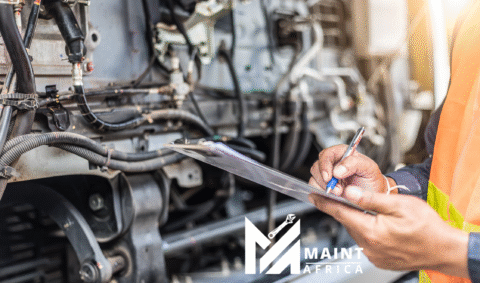
Understanding failure modes is critical for maintaining industrial equipment reliability, preventing unexpected downtime, and optimizing operational efficiency. Industrial equipment represents a significant capital investment, and the ability to anticipate, diagnose, and mitigate potential failure mechanisms can dramatically impact an organization’s productivity and economic performance.
This comprehensive analysis explores the most prevalent failure modes encountered in industrial settings, providing deep insights into their root causes, detection methods, and preventative strategies. By examining these failure modes through a systematic and technical lens, maintenance professionals and engineers can develop more robust equipment management approaches.
Detailed Exploration of Failure Modes
1. Mechanical Wear and Degradation
Mechanical wear represents one of the most fundamental and pervasive failure modes in industrial equipment. This progressive deterioration occurs through multiple mechanisms that gradually compromise component integrity and performance.
Abrasive wear emerges when hard particles or surface asperities create material removal through mechanical interactions. This process is particularly prevalent in environments with high particulate contamination or inadequate lubrication. Adhesive wear occurs when surface interactions cause material transfer between contacting surfaces, creating microscopic deformations and progressive material loss.
Fatigue-induced wear represents a more complex failure mode where repeated stress cycles create progressive material damage. Machinery components subjected to cyclic loading experience microscopic crack initiation and propagation, eventually leading to catastrophic structural failure.
2. Lubrication-Related Failures
Lubrication systems play a critical role in preventing mechanical failures, and their dysfunction can precipitate cascading equipment damage. Contamination represents a primary lubrication-related failure mechanism, where foreign particles compromise lubricant effectiveness and accelerate component wear.
Lubricant degradation occurs through thermal, oxidative, and chemical processes that reduce its protective capabilities. Water contamination, thermal breakdown, and chemical interactions can fundamentally alter lubricant properties, diminishing its ability to provide effective friction reduction and surface protection.
Inadequate lubrication creates direct metal-to-metal contact, generating excessive heat, accelerated wear, and potential seizure of moving components. Proper lubricant selection, contamination control, and periodic condition monitoring are essential preventative strategies.
3. Electrical System Failures
Electrical system failures manifest through multiple complex mechanisms that can compromise entire industrial systems. Insulation degradation represents a critical failure mode where electrical insulating materials experience progressive deterioration due to thermal stress, moisture exposure, and chemical interactions.
Partial discharge phenomena create localized electrical stress that gradually erodes insulation integrity. These microscopic electrical discharges generate cumulative damage that can ultimately lead to complete electrical failure.
Thermal cycling creates mechanical stress within electrical components, causing expansion and contraction that can compromise connection integrity. Loose connections, oxidation, and progressive material fatigue contribute to increased electrical resistance and potential failure.
4. Corrosion and Material Degradation
Corrosion represents a sophisticated materials failure mode involving electrochemical interactions that progressively compromise material structural integrity. Different corrosion mechanisms include uniform corrosion, pitting corrosion, galvanic corrosion, and environmentally assisted cracking.
Uniform corrosion creates predictable material loss across exposed surfaces, while pitting corrosion generates localized, aggressive material removal that can create sudden structural weakness. Galvanic corrosion emerges from electrochemical potential differences between dissimilar materials in contact, accelerating material degradation.
Environmental factors such as humidity, temperature, chemical exposure, and pH levels significantly influence corrosion progression. Understanding these complex interactions enables more effective material selection and protective strategies.
5. Thermal Stress and Heat-Induced Failures
Thermal stress creates complex material transformations that can compromise equipment structural integrity. Repeated thermal cycling generates microscopic material deformations, creating progressive fatigue and potential catastrophic failure.
Thermal expansion creates dimensional changes that can misalign critical components, generate increased friction, and compromise precision machinery operations. Differential thermal expansion between different materials can create internal stresses that progressively weaken structural connections.
Heat-induced material property changes can alter mechanical characteristics, reducing load-bearing capabilities and creating potential failure points. Proper thermal management, material selection, and design considerations are essential for mitigating these risks.
6. Alignment and Vibration-Induced Failures
Misalignment represents a sophisticated failure mode that generates multiple concurrent degradation mechanisms. Shaft misalignment creates uneven load distribution, accelerated bearing wear, increased vibration, and potential catastrophic failure.
Vibration-induced failures emerge through complex dynamic interactions that progressively compromise mechanical integrity. Resonance phenomena can create amplified stress cycles that exceed material fatigue thresholds, generating progressive damage.
Precision alignment techniques, vibration monitoring systems, and advanced diagnostics provide critical tools for detecting and mitigating these failure modes before significant damage occurs.
Conclusion
Understanding industrial equipment failure modes requires a holistic approach that integrates materials science, engineering principles, and advanced diagnostic technologies. Successful failure prevention strategies demand continuous learning, sophisticated monitoring techniques, and proactive maintenance methodologies.
Organizations that develop comprehensive failure mode understanding can transform equipment management from a reactive maintenance approach to a predictive, value-generating operational strategy.